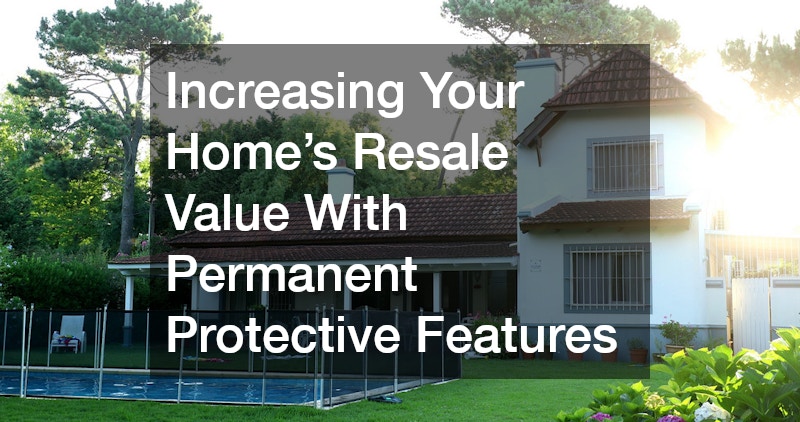

In the competitive world of real estate, “curb appeal” and “modern finishes” often dominate the conversation. Homeowners spend thousands of dollars on quartz countertops, luxury vinyl plank flooring, and designer lighting fixtures to entice potential buyers. While these aesthetic upgrades certainly help a home sell quickly, a new trend is emerging among savvy investors and homebuyers: the prioritization of resilience. As weather patterns become more unpredictable and insurance premiums continue to rise, permanent protective features are becoming some of the most high-value additions a homeowner can make.
A home that is perceived as a “fortress” against the elements offers something that a beautiful kitchen cannot: peace of mind. When a buyer looks at a property equipped with integrated safety systems, they aren’t just seeing a house; they are seeing a reduced risk of future expenses and a lower cost of ownership.
This guide explores how investing in permanent protection can significantly bolster your home’s resale value and marketability.
Strengthening the Building Envelope
The building envelope—the physical separator between the conditioned interior and the unconditioned exterior—is the most critical area to address when looking for a return on investment. Buyers in coastal or storm-prone regions are increasingly wary of homes that require frantic, last-minute preparations when a storm warning is issued. The sight of mismatched plywood leaning against a garage or rusted tracks for temporary panels can actually detract from a home’s value.
Conversely, the installation of a high-quality, permanent hurricane shutter system can be a major selling point. Whether they are elegant colonial-style shutters that add architectural interest or motorized roll-down versions that disappear when not in use, these features signal to a buyer that the home has been maintained to a high standard of safety. Permanent shutters eliminate the physical labor and storage issues associated with temporary solutions, making the home “turn-key” for the next owner.
Beyond storm protection, modern impact-resistant windows and reinforced garage doors serve a dual purpose. They provide the necessary wind-load ratings to satisfy strict building codes and insurance requirements while also offering superior energy efficiency and noise reduction. A home that remains quiet and cool despite a busy street or a hot afternoon is a home that commands a premium price. When you list these features in a real estate brochure, you are highlighting a level of structural integrity that sets your property apart from the standard inventory.
Mitigation and Insurance Advantages
In today’s market, the “carrying cost” of a home is just as important as the mortgage payment. Prospective buyers are performing more due diligence than ever regarding insurance costs. In many states, insurance companies are required to offer discounts or “mitigation credits” for homes that have verified protective features. By installing permanent wind and water mitigation systems, you are essentially “buying down” the future insurance premiums for the next owner.
A home with a documented wind mitigation report showing secondary water barriers on the roof, hurricane-rated exterior openings, and reinforced roof-to-wall connections is a much more attractive prospect for a lender and an insurer. This transparency can expedite the closing process, as it removes the uncertainty of whether the home is “insurable” at a reasonable rate. For a buyer, the prospect of saving hundreds or thousands of dollars annually on insurance is a powerful incentive to choose your home over a similar property without these upgrades.
Furthermore, permanent protective features often include upgraded drainage systems and foundation protection. Sump pumps with battery backups, French drains, and professionally graded landscapes prevent the “red flag” of a damp basement or cracked foundation. When a home inspector finds these proactive measures in place, their report becomes a testimonial to the home’s quality rather than a list of required repairs. This prevents “price chipping” during negotiations and keeps your asking price firm.
Security, Privacy, and Long-Term Durability
While weather protection is a primary driver, permanent protective features also appeal to a buyer’s desire for security and privacy. Motorized shutters and reinforced glass do more than stop wind; they act as a formidable deterrent against intruders. In an era where home security is a top priority for families, having integrated physical barriers is often seen as superior to electronic alarm systems alone.
Furthermore, these features are built to last. Permanent shutters and high-performance roofing materials are typically constructed from aluminum, stainless steel, or advanced composites that do not rot, rust, or fade. This “low-maintenance” lifestyle is a significant draw for the modern buyer who wants to spend their weekends enjoying their home rather than painting trim or repairing storm damage.
When you invest in these features, you are also protecting the “soft” investments you’ve made inside the home. Impact-resistant glass and shutters block a high percentage of UV rays, preventing the sun from fading those expensive quartz countertops, hardwood floors, and custom drapes mentioned earlier. By protecting the interior from the sun and the storm, you ensure that the home looks as good ten years from now as it does the day the features are installed.
The definition of a “luxury” home is evolving to include resilience and safety. While aesthetic trends may come and go, the value of a dry, secure, and energy-efficient home is timeless. By shifting your renovation budget toward permanent protective features, you aren’t just preparing for a storm; you are preparing for a successful and lucrative sale. You are providing the next owner with a sanctuary that is built to endure, ensuring that your property remains a sought-after asset in any market cycle. Increasing your home’s resale value is about proving its worth beneath the surface, showing that it is a structure designed for both beauty and survival.