
A backyard can be much more than an open area behind a home. With thoughtful planning, it can become an inviting extension of the living space where homeowners can relax, entertain guests, enjoy meals, or spend time with family. The right improvements can make an outdoor area feel more comfortable and purposeful while complementing the style of the home.
Creating a functional outdoor environment starts with understanding how the space will be used. Whether the goal is to create a peaceful retreat, an entertaining area, or a versatile space for everyday activities, careful planning can help bring those ideas together.
A well-planned backyard design can combine practical features, attractive landscaping, comfortable gathering areas, and other elements to create a cohesive outdoor setting.
Create Functional Outdoor Areas
One of the most effective ways to transform an outdoor space is to give different areas specific purposes. Instead of treating the backyard as one large, undefined space, homeowners can consider how various sections could support different activities.
For example, a patio or deck can provide a dedicated area for outdoor dining and seating. Another section of the yard could be used as a garden, while an open area can provide room for recreation. Creating distinct zones can make the entire space feel more organized without necessarily requiring a large yard.
The placement of these areas also matters. Seating can be positioned to take advantage of attractive views, while dining spaces can be located conveniently near the home. Paths and walkways can help connect different sections while making it easier to move throughout the property.
Incorporate Comfortable Gathering Spaces
Comfort can play an important role in making an outdoor area enjoyable. A backyard may look attractive, but it is more likely to become a regularly used part of the home when it provides comfortable places to sit, gather, and relax.
Outdoor furniture can establish a central gathering area for conversations or meals. Depending on the space, homeowners may consider dining tables, lounge seating, benches, or other furnishings that suit the intended use. Shade can also make outdoor areas more comfortable during sunny portions of the day.
Features such as pergolas, covered patios, umbrellas, or strategically placed trees may provide relief from direct sunlight. In addition to improving comfort, these elements can contribute to the overall appearance of the property.
Lighting can further extend the usefulness of an outdoor space into the evening. Path lighting, accent lighting, and illumination around seating areas can help create a welcoming atmosphere while making the space easier to navigate after dark.
Blend Landscaping With Hardscaping
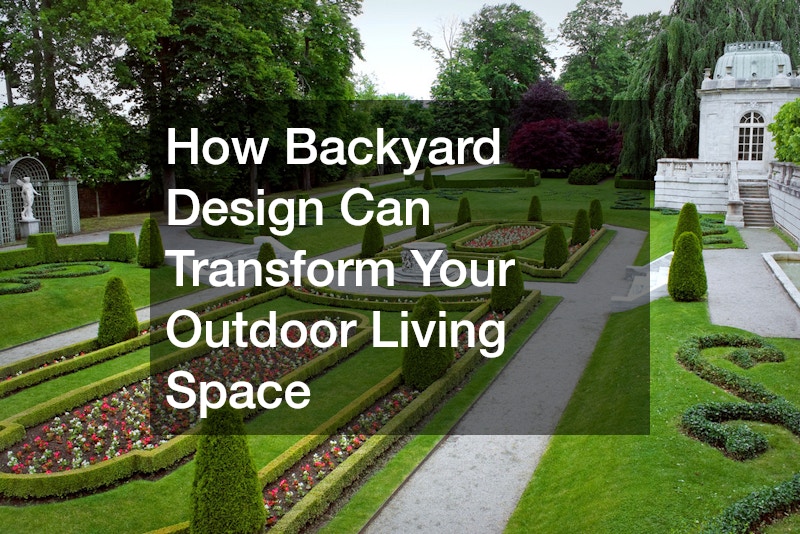
Landscaping and hardscaping can work together to give an outdoor area structure and visual interest. Plants, trees, shrubs, flowers, and other greenery can soften patios and walkways while adding natural elements to the space.
Hardscaping, meanwhile, can provide the foundation for many outdoor activities. Patios, retaining walls, pathways, seating areas, and other constructed features can define spaces and improve how the yard functions.
The key is creating a balanced arrangement rather than allowing one element to dominate. Plants can be positioned around patios or along walkways to create transitions between different areas. Hardscape materials can also be selected to complement the home’s existing exterior.
A cohesive backyard design considers how these features work together rather than treating each improvement as an isolated addition. When materials, plants, structures, and outdoor furnishings complement one another, the finished space can feel more intentional.
Personalize the Space for Everyday Enjoyment
A successful outdoor space should reflect the needs and preferences of the people who will use it. There is no single approach that works for every household, so personalization is an important part of the planning process.
Some homeowners may prioritize outdoor dining and entertaining, while others may want a quiet area for reading, gardening, or relaxing. Families may need open space for children, while others may want dedicated areas for hosting larger gatherings.
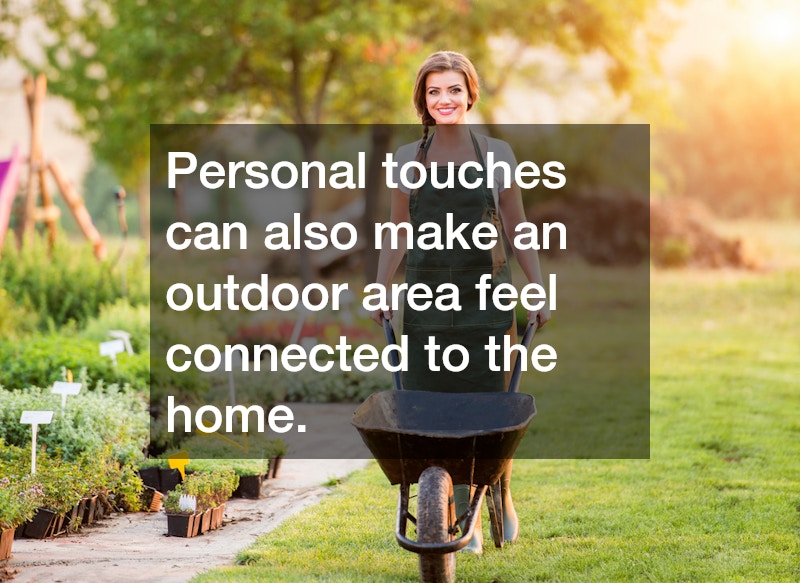
Personal touches can also make an outdoor area feel connected to the home. Choosing furnishings and finishes that complement the home’s architecture can create visual continuity between indoor and outdoor spaces. Decorative elements, planters, outdoor rugs, and other accessories can add character without changing the underlying layout.
It is also important to consider maintenance when planning improvements. Selecting features and plants that fit the amount of time available for upkeep can help keep the space enjoyable over the long term. A beautiful outdoor area should also be practical enough to maintain.
Transforming a backyard does not necessarily require changing every part of the property. Thoughtful planning can help homeowners make better use of the space they already have while creating areas that support relaxation, entertainment, dining, and everyday activities.
By defining functional zones, incorporating comfortable gathering areas, balancing landscaping with hardscaping, and adding personal touches, an ordinary outdoor area can become a more useful extension of the home. The result can be a space designed around how homeowners actually live and spend time outdoors.
A well-considered backyard design brings these elements together into one cohesive environment. With the right combination of functionality, comfort, and visual appeal, an outdoor living space can become one of the most enjoyable areas of a home.