
The Complete Guide to Maintaining and Improving Your Property
Maintaining a property is an ongoing responsibility that involves much more than addressing problems after they appear. Regular care can help preserve the condition of a home or commercial space, improve functionality, and prevent minor concerns from becoming expensive projects. A well-maintained property can also be more comfortable, attractive, and practical for the people who use it.
Property improvement is equally important. Over time, materials wear down, household needs change, and new products become available. Strategic upgrades can address outdated features while making better use of available space. Whether the goal is to protect the structure, improve outdoor areas, update interior features, or enhance efficiency, thoughtful planning can make each project more worthwhile.
Keep Plumbing Systems in Good Condition
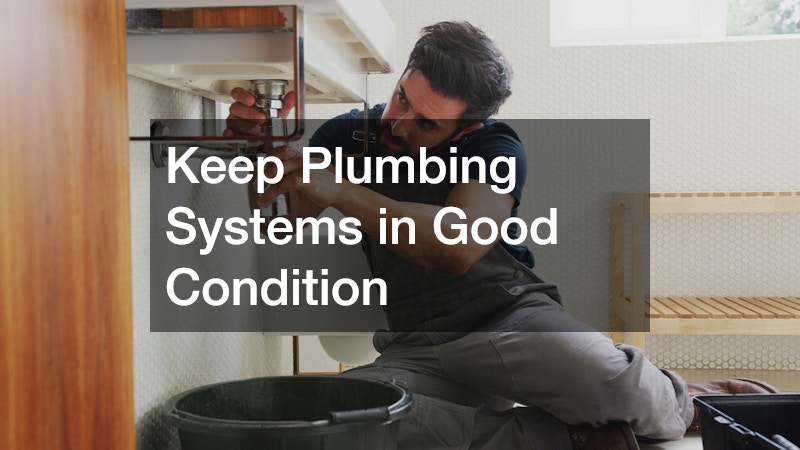
Plumbing is one of the most important systems on any property because it supports everyday activities throughout the building. Sinks, toilets, showers, appliances, water heaters, and other fixtures all depend on properly functioning pipes and connections. Because much of the plumbing system is hidden behind walls, floors, or ceilings, problems can sometimes develop unnoticed.
One of the simplest ways to protect plumbing is to pay attention to changes in performance. Slow drains, unusual sounds, unpleasant odors, water stains, and inconsistent water pressure can all indicate that something deserves closer attention. Addressing these signs early may help prevent more extensive damage.
Professional drain cleaning can also be useful when buildup begins restricting water flow. Hair, grease, soap residue, food particles, and other materials can accumulate inside drain lines over time. Routine maintenance can help keep water moving properly and may reduce the likelihood of severe blockages.
Property owners should also know when a problem requires professional attention. A qualified plumbing company can inspect issues that are difficult to diagnose independently and determine whether a repair, replacement, or maintenance service is appropriate.
Useful plumbing maintenance habits include:
- Avoid putting grease and cooking oils down kitchen drains.
- Use appropriate drain screens to catch hair and debris.
- Monitor areas beneath sinks for moisture or staining.
- Know where the property’s main water shutoff is located.
- Address dripping fixtures instead of allowing them to continue indefinitely.
- Pay attention to sudden changes in water pressure.
- Inspect exposed pipes periodically for corrosion or visible damage.
Good plumbing maintenance is ultimately about consistency. Small preventive steps can help protect one of the property’s most frequently used systems.
Protect and Upgrade Outdoor Surfaces
Outdoor surfaces endure constant exposure to foot traffic, vehicles, moisture, sunlight, temperature changes, and other environmental conditions. Driveways, garages, patios, walkways, and other concrete areas can gradually develop cracks, stains, discoloration, and surface deterioration.
When an existing concrete surface needs an upgrade, property owners may consider specialized finishing options. Epoxy concrete flooring can provide a durable finished surface for appropriate applications such as garages, workshops, and other areas where a clean, finished appearance is desirable.
Before choosing a flooring system, consider how the area will be used. A surface that experiences vehicles and heavy equipment may have different requirements than a space used primarily for walking or storage.
Outdoor maintenance should also include routine inspections. Look for:
- Cracks that are becoming wider or deeper.
- Areas where water collects after rainfall.
- Uneven sections that could create tripping hazards.
- Staining or discoloration that continues to worsen.
- Deteriorating joints between concrete sections.
- Vegetation growing through cracks.
- Areas where drainage appears inadequate.
Improving surfaces should not be limited to aesthetics. Proper drainage, appropriate materials, and timely repairs can contribute to safer and more functional outdoor spaces.
Maintain Windows and Exterior Glass
Windows play several roles throughout a property. They provide natural light, contribute to ventilation, affect the appearance of the building, and can influence indoor comfort. Damaged or poorly functioning windows can create drafts, moisture concerns, and other issues that may become more noticeable over time.
When evaluating windows, examine both the glass and the surrounding frame. Cracked panes, damaged seals, difficult-to-operate hardware, condensation between panes, and visible deterioration can all indicate that repairs or replacement may be worth considering.
A qualified glass company can help property owners evaluate certain glass-related needs and identify suitable solutions for different applications. Professional guidance can be especially useful when a project involves specialized glass, large openings, replacement panes, doors, or other features where proper measurements and installation are important.
Property owners can make window maintenance easier by:
- Cleaning glass surfaces regularly.
- Inspecting frames for deterioration.
- Checking whether windows open and close smoothly.
- Looking for gaps around frames.
- Examining seals for visible damage.
- Addressing cracked glass promptly.
- Keeping tracks and moving components free of debris.
Window improvements can also change the character of a room. Larger openings may bring in more daylight, while updated designs can complement both traditional and contemporary properties. The best choice depends on the building’s structure, climate, budget, and functional needs.
Plan Outdoor Recreation Areas Carefully
Outdoor living spaces can make a property more enjoyable and can provide additional areas for entertaining, relaxing, exercising, or spending time with family. However, major outdoor additions require careful planning because they affect available space, drainage, landscaping, access, and ongoing maintenance.
A swimming pool is one example of an improvement that should be considered from several angles before construction begins. A custom pool builder can help develop a design around the property’s available space and the owner’s desired layout. Important considerations can include the shape of the pool, surrounding deck space, access points, safety features, landscaping, and equipment placement.
A successful outdoor recreation area should function as part of the larger property rather than feeling like an isolated addition. Consider how people will move between the home and outdoor spaces, where seating will be placed, and how maintenance equipment will be accessed.
Planning should address:
- Available yard space.
- Existing landscaping.
- Drainage patterns.
- Utility locations.
- Privacy considerations.
- Seating and entertaining areas.
- Storage needs.
- Lighting.
- Safety considerations.
- Long-term maintenance requirements.
Outdoor improvements can be enjoyable, but they also create ongoing responsibilities.
Create Practical Storage Solutions
Storage is often overlooked until clutter begins taking over valuable living or working areas. A property with inadequate storage can become difficult to organize, even when the building itself has sufficient square footage. Adding dedicated storage can provide a practical way to keep tools, equipment, seasonal items, recreational gear, and other belongings organized.
Detached storage structures can be particularly useful when interior space is limited. Shed companies offer different approaches to storage buildings, making it possible to consider options based on available space and intended use. Before choosing a structure, determine what needs to be stored and how frequently those items will need to be accessed.
When planning storage, consider:
- The size and quantity of items being stored.
- Door placement and accessibility.
- Ventilation requirements.
- Electrical needs.
- Foundation requirements.
- Weather exposure.
- Security.
- Future storage needs.
- Distance from the main building.
Good storage is about more than adding square footage. An appropriately planned structure can help keep frequently used areas organized while protecting belongings from weather and unnecessary wear.
Inspect Roofing and Drainage Systems
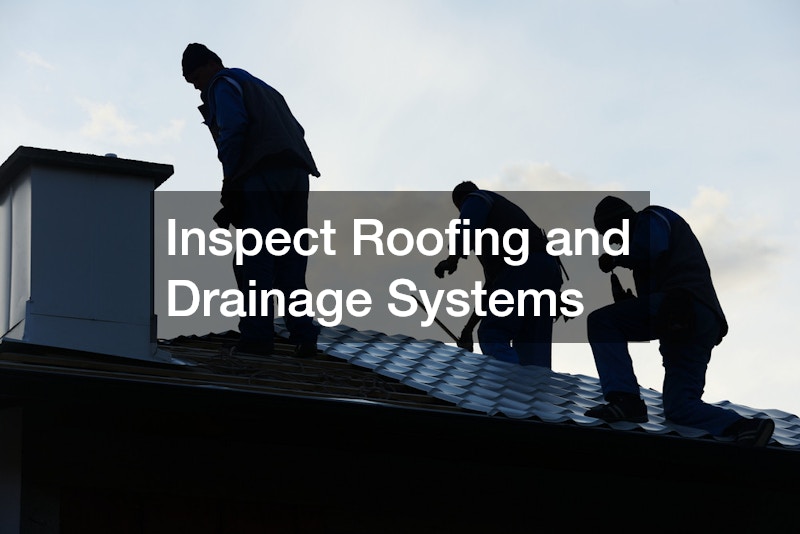
The roof is one of a property’s primary defenses against rain, wind, sunlight, and other environmental conditions. Because roofing problems can lead to water intrusion and interior damage, regular inspections are important. Waiting until a leak becomes obvious can allow moisture to affect insulation, ceilings, walls, or other building components.
Property owners should visually inspect accessible roofing areas for missing or damaged materials, unusual sagging, deteriorating flashing, accumulated debris, and other visible concerns. Interior inspections matter as well. Water stains, peeling paint, damp odors, and unexplained discoloration may indicate a problem above.
Flat roofing services can be particularly relevant for commercial buildings and properties with low-slope roof systems. These roofs have different drainage characteristics than steeply pitched roofs, making proper maintenance and water management especially important.
A practical roofing maintenance routine can include:
- Inspecting roofing surfaces periodically.
- Clearing debris from appropriate areas.
- Checking visible flashing and roof edges.
- Monitoring interior ceilings for stains.
- Keeping drainage pathways clear.
- Looking for signs of standing water.
- Scheduling professional evaluations when concerns appear.
Address Pest Concerns Early
Pests can create more than an annoyance. Certain infestations can affect stored materials, landscaping, structural components, food supplies, and general property conditions. Some problems can also become significantly more difficult to manage when they are allowed to continue unchecked.
Effective pest management begins with identifying conditions that may attract unwanted insects or animals. Food debris, standing water, overflowing trash, gaps around openings, vegetation against structures, and other environmental factors can contribute to pest activity.
Professional pest control can be considered when property owners notice recurring activity or signs that an infestation may be established. A professional evaluation can help determine what type of pest is present and what factors may be contributing to the problem.
Property owners can also take preventive steps:
- Keep food stored in appropriate sealed containers.
- Clean up spills and food debris promptly.
- Remove standing water where possible.
- Keep outdoor trash containers closed.
- Seal obvious gaps around the building.
- Trim vegetation away from structures.
- Address moisture problems.
- Inspect storage areas periodically.
Prevention and maintenance work together. Eliminating conditions that attract pests can make a property less inviting, while early attention can help prevent a small concern from becoming a larger one.
Work With Experienced Construction Professionals
Some property improvements require more planning than routine maintenance. Renovations, additions, structural changes, and new construction can affect numerous aspects of a building, so property owners should understand the scope of work before a project begins.
A local home builder may be an appropriate resource for certain residential construction projects, particularly when a property owner is considering a major addition, new home, or substantial transformation.
Before hiring a construction professional, property owners should clearly define the project’s objectives. Consider which areas need to change, how the finished space should function, and which features are essential versus optional.
A project planning checklist can include:
- Define the primary purpose of the project.
- Establish a realistic budget.
- Determine the desired project timeline.
- Identify necessary materials and finishes.
- Consider how construction will affect daily activities.
- Review the property’s existing conditions.
- Determine whether permits or approvals may be necessary.
- Discuss maintenance requirements for new features.
- Keep project documentation organized.
Clear communication is important throughout construction. Property owners should understand the proposed scope, expected materials, project responsibilities, and any factors that could affect the work. C
Improve Comfort and Energy Performance
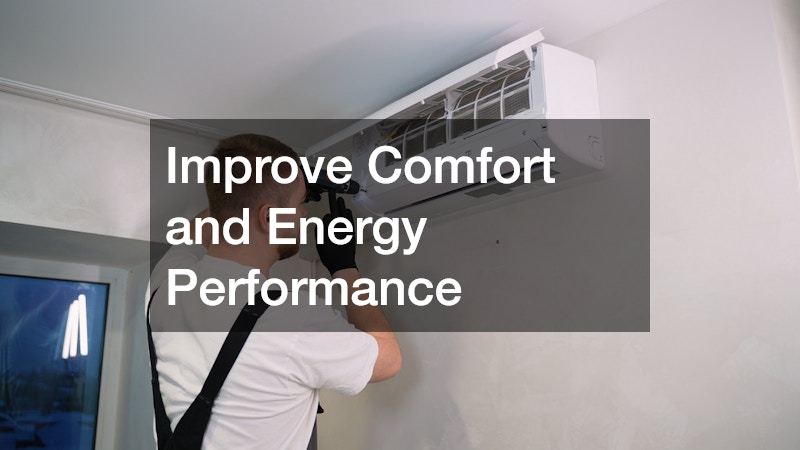
Energy efficiency is an important consideration when maintaining an older property or planning renovations. Windows, doors, insulation, HVAC systems, lighting, and appliances can all influence how much energy a building uses. Improvements should focus on the property’s specific weaknesses rather than relying on a one-size-fits-all approach.
Energy efficient windows can be worth considering when existing windows are aging, drafty, damaged, or difficult to operate. Updated windows may improve the property’s overall performance while also changing its appearance and natural lighting.
However, windows are only one component of the building envelope. Gaps around frames, insufficient insulation, poorly sealed doors, and other weaknesses can also affect indoor comfort. Addressing multiple sources of energy loss may provide a more comprehensive improvement.
Property owners can evaluate efficiency by:
- Checking for noticeable drafts.
- Inspecting window and door seals.
- Reviewing insulation in accessible areas.
- Maintaining heating and cooling equipment.
- Replacing inefficient lighting where appropriate.
- Using programmable or smart temperature controls.
- Keeping vents and registers unobstructed.
- Monitoring unusual increases in energy use.
Energy improvements should also be evaluated according to the property’s age, construction, climate, and existing systems. A professional assessment can help identify which improvements are most appropriate rather than replacing components unnecessarily.
Build a Long-Term Property Maintenance Plan
A successful maintenance strategy depends on organization. Instead of waiting for problems to appear, property owners can create a recurring schedule that divides responsibilities throughout the year. This approach makes maintenance more manageable and can help prevent important tasks from being forgotten.
Start by creating a property inventory. Record major systems, exterior features, appliances, landscaping elements, storage structures, and other components that require periodic attention. Include installation dates and service records when that information is available.
A simple maintenance schedule can include:
- Monthly: Check for leaks, unusual moisture, visible pest activity, and obvious damage.
- Seasonally: Inspect outdoor areas, drainage, windows, roofing components, and landscaping.
- Annually: Review major systems, inspect areas that are difficult to access, and evaluate upcoming repair needs.
- As needed: Address leaks, cracks, broken components, pest concerns, and other problems as soon as they are identified.
Documentation can make long-term maintenance easier. Keep receipts, warranties, inspection reports, project information, and service records in one organized location. This information can be useful when planning future work or determining how components have been maintained.
It is also helpful to prioritize projects according to urgency. Safety concerns, active leaks, structural problems, and issues that could cause significant damage should generally receive attention before cosmetic improvements.
A property maintenance plan does not have to be complicated. The most important factor is consistency. Regular inspections, timely repairs, thoughtful upgrades, and organized records can help property owners make informed decisions over time.
Preventive care can help identify developing concerns before they become major disruptions, while carefully selected improvements can make spaces more functional and comfortable. Whether addressing essential systems, improving outdoor areas, adding storage, updating finishes, or planning a larger renovation, thoughtful preparation can make property decisions easier.
A well-maintained property is ultimately the result of consistent attention. By inspecting important features, responding to problems promptly, keeping accurate records, and planning improvements around long-term needs, property owners can protect their investment while creating spaces that continue to serve them effectively.