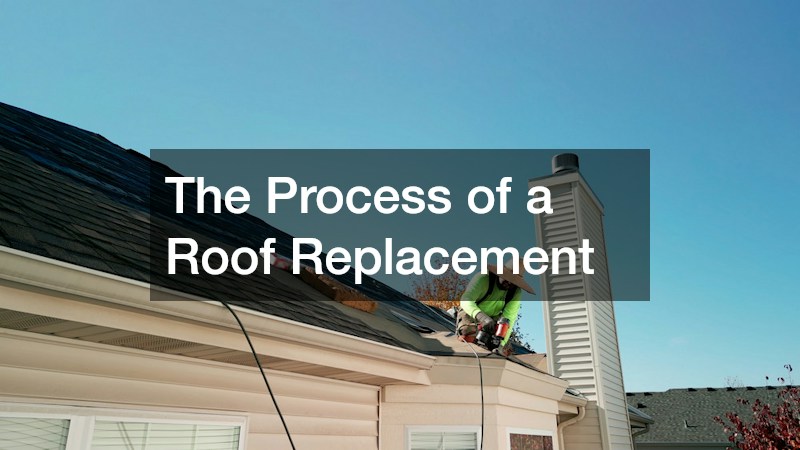

A roof replacement is a significant project that requires careful planning and decision-making. This article provides a comprehensive guide to the entire process, from recognizing the need for a new roof to selecting materials, understanding the steps involved, and managing costs. Whether you are a homeowner facing potential roof issues or planning for renovation, this article will help you make informed decisions.
How Do I Know If I Need a Roof Replacement?
Identifying Signs of Roof Damage
Visible signs such as leaks, missing shingles, and warped tiles are common indicators of roof damage. If you notice water stains on your ceiling or attic, it may be time to consider a roof replacement.
Additionally, granules from shingles in your gutters signal the wear of roofing materials and a need for attention.
Age of the Roof
The age of your roof plays a crucial role in determining its condition. Most roofs have a lifespan of 20 to 25 years, depending on the materials used. If your roof is approaching or has surpassed this age, it may be time to replace it to ensure safety and prevent costly repairs.
Professional Inspection
A professional roof inspection provides an accurate assessment of your roof’s condition and any hidden issues that may not be visible. Experts help determine whether repairs are sufficient or if a complete roof replacement is necessary. Regular inspections can extend the life of your roof by addressing problems early on.
How to Choose the Right Roofing Material?
Comparing Different Materials
Choosing the right roofing material is crucial for the longevity and aesthetic of your home. Asphalt shingles are popular due to their affordability and versatility, while metal roofs offer durability and a modern appeal. Tile and wood shakes provide distinctive looks but may require more maintenance and come at different price points.
Consideration of Climate and Durability
The local climate significantly influences your choice of roofing materials. For example, metal roofs are ideal for snowy regions due to their ability to shed snow effectively, while tile roofs provide excellent insulation in hot climates. Assessing the climate’s impact helps you choose a material that offers optimum durability and performance.
Budget and Aesthetic Preferences
Your budget and personal preferences will shape your roofing material choice. It’s essential to balance cost with the desired look and long-term performance of the material. Additionally, considering the roof replacement’s impact on your home’s curb appeal and resale value can guide you in choosing the best option.
What is the Typical Roof Replacement Process?
Preparation and Planning
Effective planning includes evaluating your current roof’s condition, obtaining necessary permits, and choosing the right contractor. A detailed budget and timeline should be established to avoid unforeseen delays and expenses. This preparation phase is vital to ensure a smooth roof replacement process.
Removal of the Old Roof
The initial step in roof replacement involves removing the existing roof materials. This process may require careful work to avoid damaging the underlying structure. Proper disposal of old materials following environmental regulations is also part of a professional service.
Installation of the New Roof
Once the old roof is removed, the installation of new materials begins. This involves laying down underlayment and securing the chosen roofing materials according to manufacturer guidelines. Expert installation guarantees that the new roof will provide efficient protection against the weather.
How Long Does a Roof Replacement Take?
Factors Affecting Duration
Several factors influence the duration of a roof replacement, including the roof’s size and type, weather conditions, and the complexity of the job. Adverse weather can delay progress, while larger homes may require more days to complete. Planning for these variables helps manage expectations and schedules effectively.
Standard Timelines for Different Roof Types
Asphalt shingle roofs typically take one to three days to replace, while more complex tile or slate roofs may extend to a week or more. Metal roofs generally require a few more days due to precision installations. Understanding these timelines aids in planning other home activities during the roof replacement.
Post-Installation Inspection and Cleanup
After installation, inspections ensure the new roof meets quality and safety standards. Cleanup includes removing debris from the site, verifying effective sealing, and checking all components for issues. Completing these final steps ensures a safe and clean environment post-roof replacement.
Roof replacement is an intricate process that demands attention to detail, from recognizing the need to selecting materials and navigating the installation phases. This guide equips you with the knowledge necessary to approach your roof replacement with confidence. By making informed decisions, you can ensure a successful renovation that enhances the longevity, safety, and aesthetics of your home.