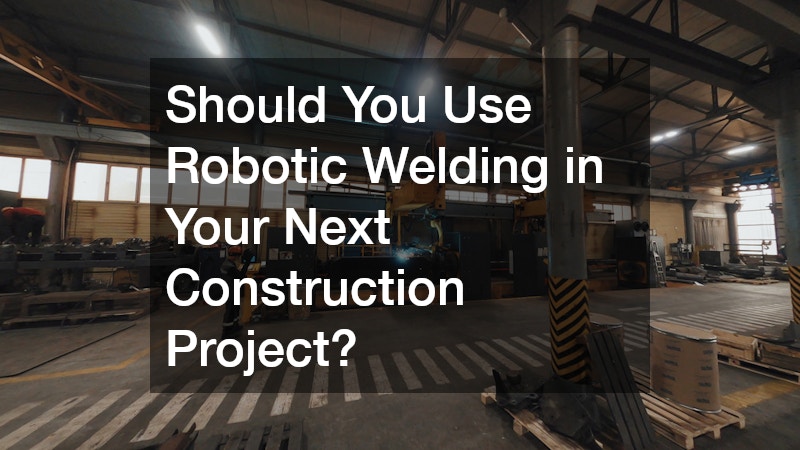

In the ever-evolving landscape of construction, innovation is at the forefront of many companies’ agendas. One area that has garnered significant attention is the use of robotic welding. This technology promises enhanced efficiency, improved precision, and reduced labor costs, but is it right for your next project? Through a comprehensive examination of these factors, we aim to provide clarity on whether robotic welding should be a staple in your construction toolkit.
Benefits of Robotic Welding
Robotic welding offers numerous advantages, making it an appealing choice for modern construction projects. One of the primary benefits is increased efficiency, as robots can work continuously without breaks, drastically increasing productivity. This continuous operation not only speeds up project timelines but also allows for higher throughput, ensuring that deadlines are met consistently. Additionally, robotic welding boasts impressive precision, reducing errors caused by human fatigue or miscalculations. This precision ensures high-quality welds, boosting the overall integrity and durability of the construction project’s output.
Another advantage of robotic welding is the significant reduction in labor costs. By automating the welding process, companies can allocate their human resources to more critical tasks that require complex decision-making and problem-solving skills. This reallocation can also help in attracting skilled workers who prefer tasks beyond the repetitive nature of manual welding. Furthermore, the use of robots reduces the risk of workplace injuries associated with manual welding, leading to safer working environments. Lower injury rates also translate to fewer disruptions and legal issues, contributing to smoother project execution.
Robotic welding also contributes positively to environmental sustainability. The precision and efficiency of robotic systems lead to reduced waste of materials, as exact quantities are used with minimal errors. This eco-conscious approach aligns with the growing demand for sustainable construction practices. Additionally, robots consume less energy compared to traditional welding methods, further decreasing the environmental footprint. By adopting robotic welding, companies can enhance their green credentials, appealing to environmentally conscious clients and stakeholders.
Challenges and Considerations
Despite the clear benefits, integrating robotic welding into construction projects does not come without its challenges. One major consideration is the significant upfront investment required for robotic systems. These systems, while cost-effective over time, demand a substantial initial expenditure, which may not be feasible for smaller construction firms. Companies should conduct a thorough cost-benefit analysis to determine whether long-term savings justify the initial costs. Additionally, the maintenance and possible repair costs for these advanced machines should be factored into the financial planning of the project.
Another challenge is the need for skilled operators and technicians who can manage and maintain robotic welding systems. The complexity of robotic technology requires specialized training and expertise, potentially leading to additional training expenses and time commitments. This need for skilled labor can pose a barrier to entry for firms new to robotic systems or those with limited access to training resources. Furthermore, as technology evolves, continuous skill upgrades will be necessary to keep up with advancements, adding to the long-term training obligations.
Moreover, integrating robotic welding into existing workflows can lead to temporary disruptions. Transitioning from manual to automated systems requires careful planning and execution to avoid downtime. Companies should allocate time for testing and calibration of the robotic systems to ensure seamless integration into their current operations. This transition phase may temporarily slow down project progress, necessitating strategic planning to mitigate any negative impacts on project deadlines. In addition to integration, adapting construction designs to accommodate robotic welding techniques may present further challenges.
Future Outlook for Robotic Welding in Construction
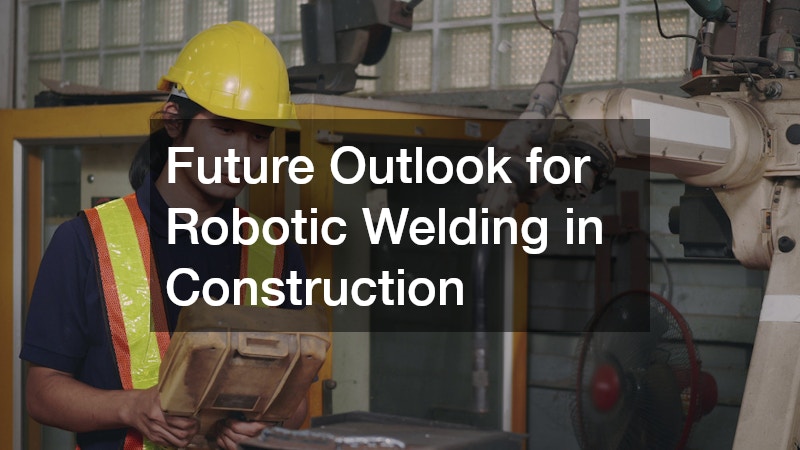
As technology continues to advance, the role of robotic welding in construction is expected to expand significantly. Future adaptations and innovations in robotic welding will likely address current challenges, making it more accessible and cost-effective for companies of all sizes. For instance, as initial investments decrease with technological advancements and increased competition among manufacturers, more firms may find robotic welding within their financial reach. Such advancements will drive widespread adoption and fundamentally reshape how welding tasks are approached and executed.
The integration of robotic welding also aligns with the broader trend towards digitalization and smart construction practices. Incorporating robots into the construction workflow facilitates data collection and analysis, contributing to more informed decision-making. This data-driven approach enhances project efficiency and accountability, providing insights for continuous improvement. Additionally, robotic welding systems can be integrated with other digital technologies such as BIM (Building Information Modeling), fostering a more cohesive construction ecosystem.
Finally, as sustainability becomes increasingly critical, the environmental benefits of robotic welding will reinforce its value proposition. Companies that prioritize eco-friendly practices will likely adopt robotic welding to align with green building standards and regulations. The efficient use of materials and energy that robotic welding provides will become a competitive advantage in the industry. In light of these trends, companies that invest in robotic welding today will be better positioned to meet the demands of future construction projects, setting themselves apart as leaders in innovation and sustainability.
While robotic welding offers significant benefits in efficiency, precision, and environmental impact, it comes with challenges that require careful consideration. By weighing the pros and cons, construction firms can make informed decisions about whether robotic welding aligns with their project goals and capabilities.