

For many homeowners, the basement is one of the most underused areas of the house. It often becomes a storage space filled with boxes, seasonal decorations, and items that rarely get used. Yet this lower level holds tremendous potential. With thoughtful planning and the right upgrades, a basement can become a fully functional extension of your living space rather than an overlooked corner of the home.
Transforming a basement into a livable area can significantly increase the usable square footage of your house. Families often turn basements into guest suites, entertainment rooms, home gyms, offices, or playrooms. In some cases, finished basements can even serve as rental units or multigenerational living spaces. The flexibility of this area makes it one of the most valuable renovation opportunities available to homeowners.
By approaching the project carefully and addressing potential concerns early, homeowners can transform their basements into spaces that feel just as inviting as the rest of the home. With the right strategy, what was once a dark storage area can become one of the most enjoyable and practical rooms in the house.
Evaluate the Space and Identify Structural Concerns First
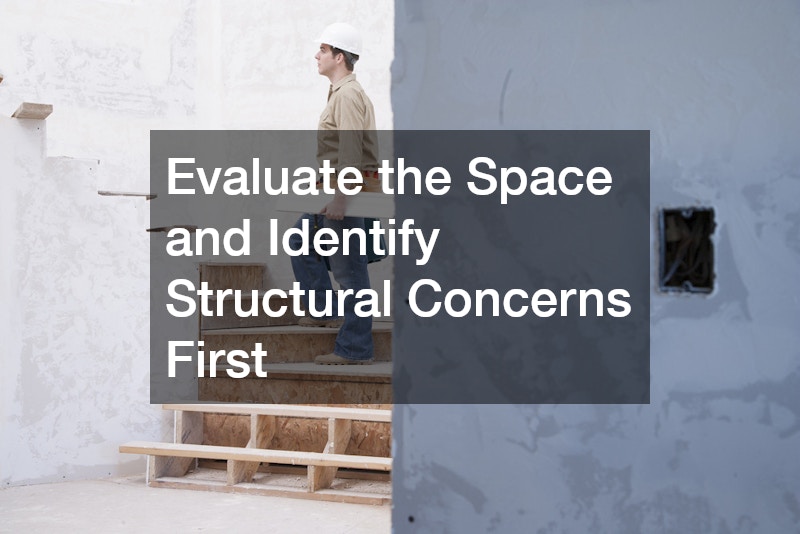
Before starting any renovation project in the basement, it’s essential to evaluate the existing structure carefully. Unlike other parts of the home, basements support the entire building above them. This means that even minor structural problems can become serious if they are not addressed early in the remodeling process. Many experienced basement remodelers begin their projects with a detailed inspection to determine whether the space is ready for finishing work.
During this evaluation, professionals often look for warning signs that indicate deeper issues within the structure. These might include uneven floors, bowing walls, or visible cracks in the foundation. If any of these concerns are present, homeowners may need foundation repair before moving forward with renovations. Addressing these issues early ensures that the finished basement will remain safe and stable for many years.
A structural inspection typically examines several key areas of the basement. These include:
- The condition of the foundation walls
- Signs of shifting or settling within the structure
- Moisture stains that could indicate hidden water problems
- Floor stability and leveling
- Load-bearing supports and beams
Identifying potential problems during this stage prevents homeowners from investing in cosmetic upgrades before addressing the root causes. Structural problems hidden behind finished walls can become much more expensive to fix later.
Taking the time to evaluate the basement thoroughly helps create a strong foundation for the entire renovation project. Once structural concerns are resolved, homeowners can move forward with confidence, knowing the space is ready to support a comfortable living environment.
Address Moisture Problems Before Starting Any Renovation
Water and moisture are among the most common challenges found in basements. Even homes that appear dry can experience occasional moisture buildup due to humidity, rainfall, or groundwater pressure. Ignoring these issues before finishing a basement can lead to mold growth, damaged materials, and costly repairs later.
Working with a professional basement waterproofing company is often the most effective way to identify and resolve moisture problems. Specialists can inspect the basement to determine where water may be entering and recommend appropriate solutions. These experts provide a range of basement waterproofing services designed to keep the space dry and protected.
Common warning signs that a basement may have moisture issues include:
- Damp or musty odors
- Water stains on walls or floors
- Peeling paint or bubbling drywall
- Mold or mildew growth
- Visible condensation on surfaces
These symptoms may indicate underlying water intrusion that must be addressed before finishing the basement.
Once the source of the moisture is identified, professionals can implement solutions such as drainage systems, vapor barriers, or exterior waterproofing. Solving these problems first protects future renovations and ensures the finished basement remains a healthy living environment.
Repair Cracks and Weak Spots in the Structure
Cracks in basement walls are a common sight in many homes, especially as structures settle over time. While some small cracks may be harmless, others can indicate deeper structural concerns that require immediate attention. Before converting the basement into a living space, it’s important to evaluate and repair these weaknesses to maintain the stability of the home.
Professional basement wall crack repairs address these issues by sealing, reinforcing, or stabilizing damaged areas. Depending on the severity of the crack, specialists may use epoxy injections, carbon fiber reinforcement, or structural supports to restore the wall’s integrity. These methods prevent further expansion and help maintain the strength of the structure.
In some situations, cracks may be a sign of more serious problems that require a comprehensive foundation service. Shifting soil, poor drainage, or long-term settling can place pressure on basement walls, causing them to crack or bow inward.
Ignoring structural cracks can lead to several complications, including water infiltration and structural weakening. Repairing them early helps protect both the home and the investment being made in the renovation. By strengthening the basement structure before finishing the space, homeowners can create a safer environment while preventing costly future repairs.
Create a Comfortable Layout That Fits Your Lifestyle

Designing a functional basement layout is one of the most exciting parts of the renovation process. Because basements often provide large, open areas, they offer tremendous flexibility when it comes to creating new living spaces. With the guidance of experienced basement remodelers, homeowners can transform empty basements into rooms that serve their unique needs.
When planning a layout, it’s important to consider how the space will be used daily. Some homeowners prefer open-concept designs that combine multiple functions, while others divide the basement into separate rooms. Regardless of the approach, incorporating basement waterproofing strategies into the design helps protect the finished space from future moisture problems.
Popular basement design ideas include:
- Home theaters or entertainment rooms
- Guest bedrooms or private suites
- Playrooms for children
- Fitness or yoga studios
- Home offices or study areas
Each option allows homeowners to tailor the basement to their lifestyle while increasing the overall functionality of the home.
A thoughtful layout also considers lighting, ceiling height, and accessibility. These elements help ensure the basement feels welcoming rather than cramped or dark.
When carefully planned, a finished basement can feel like a natural extension of the main living areas rather than a separate or isolated space.
Strengthen Floors and Structural Elements When Needed
Basement floors may appear solid, but they often require upgrades before the space can be used for daily living. Cracks, uneven surfaces, and moisture damage can weaken the floor over time. Addressing these concerns early helps ensure the basement remains safe and durable.
Professional concrete services are frequently used to repair or reinforce basement floors. Specialists can level uneven surfaces, fill cracks, or install new concrete layers that strengthen the foundation of the space. These improvements create a stable base for flooring materials such as tile, laminate, or carpeting.
In some cases, structural movement within the home may require additional foundation repair to stabilize the floor and surrounding supports. Addressing these issues before finishing the basement prevents problems like shifting floors or wall damage later.
A few signs that basement floors may need reinforcement include:
- Large cracks are spreading across the floor
- Uneven or sloping surfaces
- Moisture seeping through the concrete
- Loose or crumbling concrete edges
- Persistent dampness in specific areas
Repairing these issues early allows homeowners to install flooring materials with confidence.
Strengthening the basement floor ensures the finished space remains safe, stable, and comfortable for everyday use.
Improve Drainage and Water Management Systems
Water management plays a critical role in maintaining a dry and comfortable basement environment. Even if the basement currently appears dry, improving drainage systems can provide additional protection against future water intrusion. Installing proper water management systems is often part of a professional basement waterproofing service.
Basement waterproofing service focuses on controlling water before it enters the living space. These solutions often include drainage systems designed to redirect water away from the foundation.
Effective drainage strategies may involve several components:
- Interior perimeter drains
- Sump pump systems
- Exterior grading adjustments
- Downspout extensions
- Waterproof membranes along foundation walls
These systems work together to move water away from the home and prevent buildup around the foundation.
When drainage is properly managed, homeowners gain peace of mind knowing their finished basement is protected from potential flooding or moisture damage. Investing in strong water management systems helps ensure that the newly created living space remains dry and comfortable year-round.
Plan Proper Insulation and Climate Control
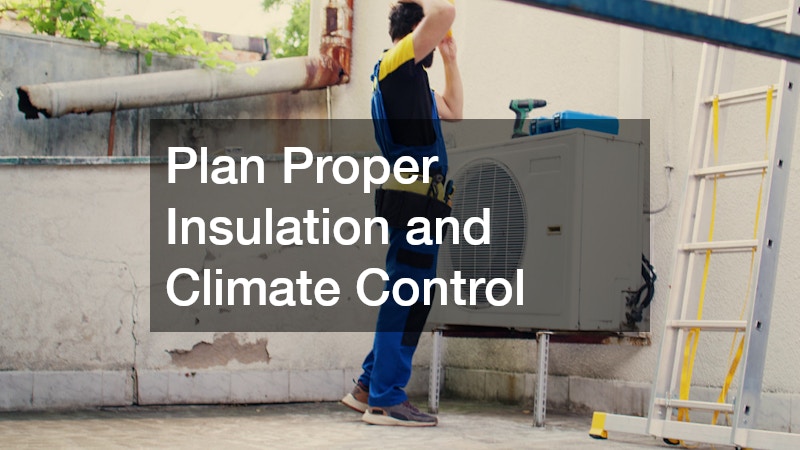
Temperature regulation is another essential factor when converting a basement into a living space. Because basements are partially underground, they often experience cooler temperatures and higher humidity levels than the rest of the home. Proper insulation helps maintain consistent indoor temperatures and improves energy efficiency.
The structure of the home, including the foundation installation, plays a role in how insulation is applied. Walls, floors, and ceilings may all require different insulation methods depending on the design of the basement. Proper planning ensures the space remains comfortable throughout the year.
In addition to insulation, basement waterproofing helps control humidity levels. Excess moisture in the air can make the space feel damp and uncomfortable, even when temperatures are regulated.
Effective climate control strategies typically include high-quality insulation, sealed wall panels, and proper ventilation systems. These upgrades prevent drafts and reduce temperature fluctuations. By focusing on insulation and moisture control, homeowners can transform basements into cozy spaces that feel just as comfortable as any other room in the house.
Add Lighting and Design Features That Brighten the Space
One of the biggest challenges in basement design is the lack of natural light. Because basements are located below ground level, they typically receive less sunlight than upper floors. However, thoughtful design solutions can make these spaces feel bright and inviting.
Many basement remodelers focus on strategic lighting placement to enhance the atmosphere. Recessed ceiling lights, wall sconces, and floor lamps can all work together to eliminate dark corners. In some cases, homeowners may also install egress windows, which sometimes require specialized concrete services to expand window openings safely.
In addition to lighting, several design elements can improve the overall feel of the basement:
- Light-colored walls and ceilings
- Mirrors that reflect available light
- Open shelving instead of bulky cabinets
- Glass doors or partitions
- Decorative accent lighting
These features help create the illusion of a larger, brighter space. A well-designed lighting plan ensures that the basement feels comfortable and welcoming rather than dim or confined.
Prepare for Safety, Code Compliance, and Emergency Exits
When converting a basement into living space, safety must always remain a top priority. Local building codes often require specific features to ensure that basements used as living areas meet safety standards. These requirements protect both homeowners and future occupants.
One important consideration is the installation of emergency exits. Egress windows or doors allow occupants to exit the basement safely during emergencies such as fires. In addition, structural evaluations may involve foundation service assessments to confirm that the basement walls remain stable after renovations.
During this stage, professionals may also evaluate whether basement wall crack repairs have been properly completed. Ensuring structural stability is essential before installing walls, flooring, and other finished elements.
Other safety considerations may include proper ventilation, smoke detectors, and carbon monoxide alarms. Electrical systems must also be installed according to local regulations to prevent hazards. Meeting these requirements ensures that the finished basement is not only beautiful but also safe and legally compliant.
Work With Skilled Professionals to Ensure a Successful Transformation

Converting a basement into a functional living space is a complex project that involves multiple areas of expertise. From structural work to design and finishing details, each stage requires careful planning and professional skill. Experienced basement remodelers help coordinate these steps and ensure that the project progresses smoothly.
In addition to general renovation work, specialists such as a basement waterproofing company may be involved to address moisture protection. These experts help safeguard the investment by preventing water damage that could compromise the finished space. Choosing the right professionals is an important part of a successful basement renovation.
A collaborative approach between homeowners and contractors allows ideas to develop into practical solutions. With the right team in place, the basement transformation process becomes far more manageable and rewarding.
Transforming a basement into a livable space opens the door to countless possibilities for homeowners. What once served as a storage area can become a vibrant part of the home, offering space for relaxation, work, entertainment, or guests. With careful planning and thoughtful design, a finished basement can dramatically increase both comfort and usable square footage.
The key to a successful transformation lies in addressing potential challenges early. Structural stability, moisture control, lighting, and insulation all play vital roles in creating a safe and welcoming environment. Taking the time to evaluate and prepare the basement properly ensures that the finished space will remain durable and enjoyable for years to come.
With the right strategy and attention to detail, homeowners can unlock the full potential of their basements. Instead of being an overlooked area, the basement can become one of the most functional and inviting spaces in the entire house.