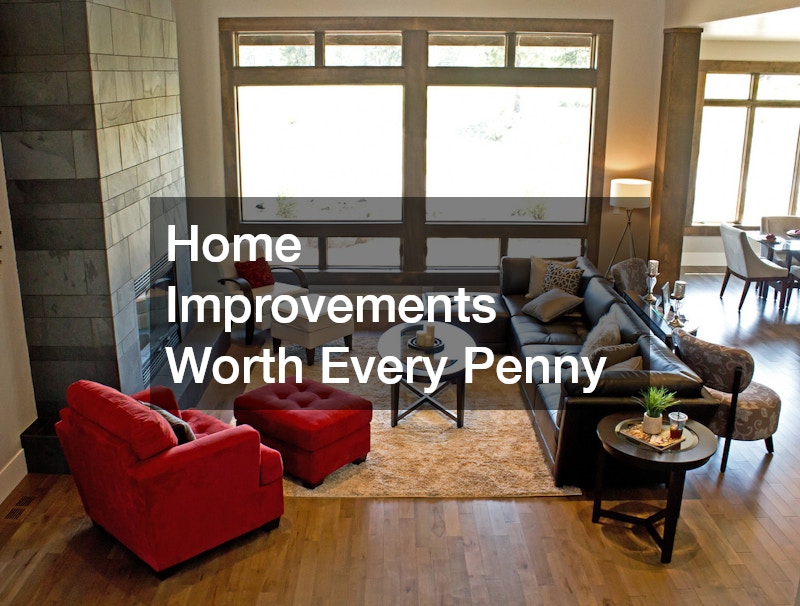

Every homeowner eventually faces the same fundamental dilemma: how to allocate a limited home improvement budget. It is incredibly easy to be swayed by aesthetic trends seen on social media or home renovation television networks. However, the reality of property ownership is that some of the most expensive cosmetic upgrades yield the lowest financial returns, while less glamorous maintenance tasks can completely safeguard your equity.
Structural & Exterior Safeguards: Protecting Your Asset from the Top Down

The exterior envelope of your property is its first and most critical line of defense against the elements. If this envelope fails, every interior upgrade you make—no matter how luxurious—is put at immediate risk. Moisture infiltration, wood rot, and pest infestations can silently destroy tens of thousands of dollars in property equity before you ever notice a symptom inside.
Prioritizing your home’s roof is the absolute baseline of smart property management. Many homeowners delay addressing an aging roof until water actively drips through their ceiling, but by then, structural decking damage, mold cultivation, and insulation ruin have already occurred. Spotting the early warning signs of failure can save you from a compounding financial disaster.
-
Granule Loss: Check your gutters for an accumulation of sandy debris, which indicates that asphalt shingles have lost their UV protection and are rapidly decaying.
-
Curling or Cupping: Shingles that bow upward or lift at the edges are no longer sealed against wind uplift and will fail during the next major storm.
-
Chronic Flashing Leaks: Roof valleys, chimney surrounds, and skylight edges rely on metal flashing that rusts or pulls away over time, creating hidden pathways for water.
When repairs are no longer viable, committing to a complete roof replacement is an investment that offers incredible peace of mind and an exceptionally high financial recovery rate at resale. Modern asphalt architectural shingles or standing-seam metal roofs offer vastly superior wind resistance and thermal reflection compared to the builder-grade materials of the past. Furthermore, a new roof completely alters how insurance underwriters view your property, often triggering significant drops in your annual homeowner’s insurance premiums while eliminating friction during a buyer’s home inspection.
Moving down from the roofline, the garage is another massive vulnerability in the home’s exterior envelope. Often representing up to one-third of a home’s street-facing facade, an outdated, uninsulated garage door drags down curb appeal and acts as a massive thermal bridge, draining conditioned air from the home. Upgrading this component consistently ranks as one of the highest-yielding home improvements across nationwide real estate data.
When upgrading, selecting a multi-layer insulated steel model provides a rigid barrier against both extreme weather and forced entry. Because garage doors operate under immense spring tension that can cause severe injury if mishandled, sourcing your new system through a professional garage door company ensures that the tracks, heavy-duty springs, and automatic openers are perfectly calibrated for smooth, long-term operation.
Major Interior Transformations: Breathing New Life into High-Traffic Zones

Once the exterior shell of your home is entirely secure, you can turn your attention inward to the high-traffic zones that define your daily living experience. The kitchen and the primary living areas are the social hubs of the modern home. They are also the exact rooms that real estate agents scrutinize most heavily when determining a property’s market value.
When planning a major layout alteration, such as knocking down walls to achieve an open-concept living area or completely reconfiguring a cramped kitchen, structural safety must come first. Many homeowners assume that a wall isn’t load-bearing simply because it lacks columns, only to cause ceiling sag later on. For any project involving structural modifications, moving plumbing stacks, or rewiring main electrical panels, hiring an experienced home remodeler is essential. These professionals handle the permits, ensure structural loads are properly transferred to beams, and orchestrate subcontractors so that the project stays on schedule and complies with local building codes.
-
The 15% Contingency Rule: Always set aside at least fifteen percent of your total interior renovation budget exclusively for hidden problems, such as outdated knob-and-tube wiring, rotted subfloors, or historical framing mistakes that are only discovered after the drywall comes down.
-
Layout Over Aesthetics: Prioritize a functional kitchen work triangle (the distance between the sink, refrigerator, and stove) over premium countertop materials. A beautiful kitchen that is frustrating to cook in will quickly lose its charm.
Beneath your feet lies the single most abused component of any interior space: the flooring. Worn-out, stained carpets or scratched, warped wood floors instantly make an entire home feel neglected and dated. Upgrading to a cohesive, high-durability flooring material throughout the main level creates a seamless visual flow that makes spaces feel significantly larger than they are.
-
Luxury Vinyl Plank (LVP): This material has revolutionized interior design by offering the authentic texture and look of hardwood while being entirely waterproof, scratch-resistant, and ideal for homes with pets and children.
-
Engineered Hardwood: For a premium feel, engineered hardwood provides a top veneer of genuine wood bonded to stable plywood layers, minimizing the expansion and contraction that plagues solid wood in humid environments.
-
Porcelain Tile: Best for entryways and wet areas, porcelain is denser and less porous than ceramic, making it virtually impervious to moisture and heavy foot traffic.
To ensure your investment lasts for decades, professional subfloor preparation is critical. Any dips, peaks, or moisture issues in the concrete slab or plywood underlayment will cause new flooring to click, separate, or buckle over time. Working with an established flooring company guarantees that your subfloors are perfectly leveled and that the specific moisture barriers required for your home’s foundation are properly installed before the final floorboards are laid.
The Spa-Like Bathroom: Small Luxuries with Massive Appeal

Bathrooms have transitioned from purely utilitarian spaces into personal sanctuaries. Homeowners are increasingly willing to invest in premium materials to create a spa-like retreat within their own walls, transforming their morning and evening routines into moments of genuine relaxation.
The centerpiece of any high-end modern bathroom is a spacious, light-filled walk-in shower. The days of claustrophobic tub-and-shower combinations enclosed by heavy, mold-prone plastic curtains are rapidly coming to an end. Instead, designers favor zero-threshold or low-profile showers finished with seamless porcelain slabs or intricate tile work. To maximize the visual impact of this investment, finishing the space with a custom shower door made of thick, frameless tempered glass is a brilliant design choice. A frameless glass enclosure completely opens up the sightlines of the room, reflecting natural light and making even a modest-sized bathroom feel double its actual size while eliminating the hard-to-clean metal tracks where mildew thrives.
Behind the beautiful tile and glass of a premium bathroom renovation lies the mechanical backbone that makes the space functional: the plumbing and water heating systems. There is nothing luxurious about a stunning shower that runs out of hot water after five minutes or suffers from weak, sputtering water pressure.
-
Sediment Accumulation: Over time, dissolved minerals settle at the bottom of a traditional water heater tank, insulating the burners from the water and causing loud knocking noises, slow recovery times, and high energy bills.
-
Anode Rod Depletion: The sacrificial anode rod inside a tank attracts corrosive elements to protect the steel lining. Once this rod dissolves completely, the tank begins to rust from the inside out, leading to catastrophic leaks.
If you notice fluctuating temperatures, rusty water, or minor leaks around the base of your unit, contacting a professional for a timely water heater repair can prolong the life of your system and prevent a sudden, damaging flood. During this assessment, it is also worth considering whether to upgrade to a tankless, on-demand water heating system. Tankless units only heat water as it flows through the system, completely eliminating standby energy losses, freeing up valuable floor space, and providing an endless supply of hot water for those long, spa-like showers.
Whole-House Health and Comfort: Water and Air Upgrades
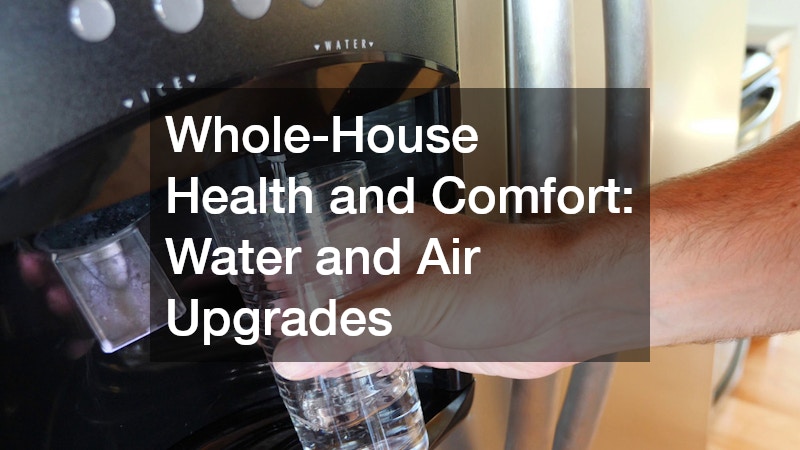
While dramatic kitchen and bathroom overhauls offer visual satisfaction, the invisible systems governing your home’s air and water quality play a far greater role in your long-term physical health, daily comfort, and financial well-being. Neglecting these systems can lead to systemic property damage and inflated utility bills that quietly erode your household wealth.
Water quality varies dramatically depending on municipal infrastructure and local geography. Hard water, which contains high concentrations of dissolved calcium and magnesium, acts as a silent, destructive force throughout your home. It creates stubborn scale buildup inside pipes, chokes the heating elements of your appliances, leaves unsightly white films on glass fixtures, and strips the natural oils from your skin and hair.
-
Point-of-Entry Filtration: Installing a system where water first enters your property protects your entire plumbing infrastructure, ensuring that every faucet, showerhead, and appliance receives treated water.
-
Reverse Osmosis: Ideal for kitchen points of use, reverse osmosis systems remove microscopic contaminants, heavy metals, and chemical additives, completely eliminating the need for expensive, environmentally unfriendly bottled water.
Investing in a comprehensive water filtration system or a dedicated water softener safeguards your entire plumbing network, vastly extends the lifespan of washing machines and dishwashers, and serves as a major selling point for health-conscious homebuyers.
Equally critical to your well-being is the air you breathe and the climate control that keeps your indoor environment bearable during the sweltering summer months. An inefficient or failing air conditioning system does more than just make your living room uncomfortable; it drives up electrical bills and fails to properly dehumidify the air, potentially creating an environment where toxic mold can flourish.
-
Short-Cycling: When an air conditioner turns on and off rapidly without completing a full cooling cycle, it places immense mechanical strain on the compressor and consumes excessive electricity.
-
Weak Airflow: This issue often stems from clogged air filters, leaking ductwork, or a failing blower motor, forcing the system to work twice as hard to cool your home.
When your cooling system begins to falter, skipping regular maintenance can turn a minor issue into a total system failure during the hottest week of the year. Scheduling a prompt air conditioning repair with a licensed technician ensures that refrigerant levels are precisely balanced, electrical contactors are cleaned, and internal components are lubricated, keeping your home perfectly cool while keeping your energy bills manageable.
Winter Preparedness: Mastering Your Home’s Climate Control
Just as summer heat requires robust cooling solutions, the arrival of freezing winter temperatures demands an exceptionally reliable, high-efficiency heating system. A home’s heating infrastructure is inherently tied to both safety and structural preservation, as a total heating failure during a deep freeze can lead to burst water pipes and catastrophic interior flooding within a matter of hours.
Optimizing your winter heating strategy involves looking past the thermostat setting to examine the overall health and efficiency of your heating unit. Older systems with low Annual Fuel Utilization Efficiency (AFUE) ratings convert a significant portion of their fuel into wasted exhaust gas rather than usable household heat. Modern systems, by contrast, utilize secondary heat exchangers to capture that latent heat, drastically reducing monthly fuel consumption.
-
Load Calculations: A system that is too small will run continuously without ever reaching the desired temperature, while an oversized unit will short-cycle, causing uneven temperatures and premature component wear.
-
Zoned Heating: Utilizing motorized dampers within your ductwork allows you to heat only the rooms currently in use, cutting down on wasted energy in empty zones.
Because heating systems involve high-voltage electricity, combustible gases, and intricate ventilation piping, DIY adjustments are incredibly risky. Entrusting your system configuration to certified heating contractors guarantees that your equipment is sized precisely to the square footage and insulation levels of your specific home, ensuring peak performance and total operational safety.
For homes that rely on central forced-air systems, the furnace is the undisputed heart of winter comfort. When a furnace is neglected, it doesn’t just lose efficiency—it can become an active hazard to your household. Cracks in the internal heat exchanger can allow lethal, odorless carbon monoxide gas to leak directly into your living spaces.
-
Yellow Burner Flames: A healthy furnace burner should always burn a crisp, steady blue. A flickering yellow flame indicates incomplete combustion, which is a primary warning sign of dangerous carbon monoxide production.
-
Strange Noises: Screeching, rattling, or booming sounds upon ignition point to worn blower bearings, cracked panels, or delayed ignition issues that require immediate professional diagnosis.
Ignoring these warning signs in an attempt to save a few dollars can lead to total system lockouts or dangerous operating conditions. Investing in a timely furnace repair resolves mechanical issues before they spiral into an expensive total system replacement, protects your indoor air quality, and ensures that your home remains a warm, safe sanctuary no matter how low the outdoor temperatures drop.
Every dollar you invest in your home should serve a clear, strategic purpose. While it is always exciting to pick out new paint colors, tile patterns, and modern light fixtures, the true foundation of home value rests upon structural integrity, operational efficiency, and mechanical reliability. By taking a systematic approach to property maintenance and renovation, you protect your single largest financial asset from depreciation while elevating your daily quality of life.