
Renovating a kitchen or bathroom involves dozens of decisions, but few choices impact both daily functionality and overall home value as significantly as selecting your countertops. Among the myriad of surface materials available today, granite and quartz stand head and shoulders above the rest. Both materials offer exceptional luxury, impressive durability, and high visual appeal, making them top contenders for modern homeowners and interior designers alike. However, when evaluating which surface delivers better overall value, the answer depends on how you weigh factors like upfront costs, maintenance routines, aesthetic preferences, and long-term performance. Whether you are remodeling a historic downtown townhouse or updating a beachside estate, finding high-quality granite countertops in Charleston, SC requires a clear understanding of how natural stone compares to engineered quartz over time.
Understanding the Contenders: Natural Stone vs. Engineered Quartz
To determine value, it is essential to understand how each material is made and structured. Granite is a pure, natural igneous rock formed deep within the earth under intense heat and pressure over millions of years. It is quarried in massive blocks, sliced into slabs, and polished to reveal one-of-a-kind mineral patterns. Because it is created entirely by nature, every granite slab features unique veining, color gradients, and speckles. No two kitchens with natural granite will ever look identical.
Quartz, in contrast, is an engineered stone product. It is manufactured by combining approximately 90 to 93 percent crushed natural quartz minerals with 7 to 10 percent polymer resins and color pigments. This manufacturing process allows producers to control the appearance completely, creating uniform patterns, predictable color tones, and surfaces that can convincingly replicate natural marble or concrete.
Durability and Daily Maintenance Demands
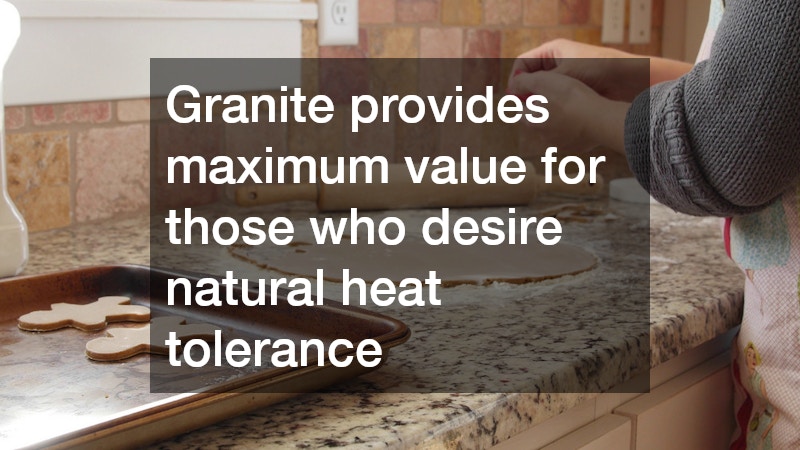
In terms of raw strength, both surfaces are exceptionally tough, but they handle daily wear and tear in distinct ways. Granite is naturally hard and offers incredible heat resistance. You can place hot pots, roasting pans, or baking sheets directly onto a granite surface without worrying about scorching or thermal shock. However, because granite is a natural stone, it contains microscopic pores. To prevent liquids like red wine, coffee, or cooking oil from seeping into the stone and creating permanent stains, granite must be treated with a protective sealant upon installation and resealed periodically, typically every one to two years.
Quartz engineered surfaces excel in stain resistance because the resin binders eliminate all porosity. Liquid spills remain on the surface, making cleanup as simple as wiping the counter with warm water and mild soap. Quartz never requires sealing, polishing, or reconditioning, making it an attractive choice for busy households seeking minimal maintenance. The primary trade-off with quartz is heat sensitivity. The resin binders can melt or discolor if exposed to extreme temperatures, meaning trivets or hot pads are strictly required when setting down hot cookware.
Cost Breakdown and Return on Investment
When analyzing long-term value, upfront pricing and resale potential are key metrics. On average, standard options for both granite and quartz fall into a comparable price range, generally running between $50 and $100 or more per square foot installed. Pricing for both materials fluctuates based on slab thickness, edge profiling, rarity of color, and installation complexity. Exotic granite varieties or premium designer quartz lines can quickly push total costs higher.
From a real estate perspective, both surfaces offer strong return on investment and attract prospective homebuyers. Natural stone carries a classic, prestigious reputation that has endured for decades. Choosing granite countertops in Charleston, SC offers a timeless aesthetic that seamlessly complements traditional Southern architecture, coastal design elements, and contemporary renovations alike. While quartz has gained immense popularity for modern aesthetics, granite holds an enduring organic beauty that never feels trendy or dated.
Visual Appeal and Design Versatility
Aesthetics play a substantial role in perceived value. If you prefer crisp uniformity, subtle monochromatic tones, or clean marble-look veining without high maintenance, quartz provides complete design control. It allows homeowners to achieve consistent slab matching across large kitchen islands or backsplashes.
If you value natural character, depth, and organic elegance, granite is unbeatable. The subtle shimmer of quartz particles, feldspar, and mica within granite creates a dimensional visual texture that light bounces off beautifully. Granite anchors a room with authentic warmth and organic elegance that artificial processes cannot fully duplicate.
Determining the Superior Surface for Your Home
Ultimately, neither surface is universally superior; rather, each offers better value depending on your lifestyle preferences. Quartz delivers maximum value for homeowners who prioritize stain-proof, low-maintenance convenience and consistent modern patterns. Granite provides maximum value for those who desire natural heat tolerance, unmatched original artwork created by nature, and a timeless surface that ages gracefully. By evaluating how your family uses the kitchen and balancing daily maintenance expectations against design goals, you can select the surface that provides the highest satisfaction and value for years to come.